How to count calories when eating out (without a menu label)
Restaurant meals often hit 1,000+ kcal. Here's how to estimate calories when eating out, the hidden extras to watch, and smart orders from different cuisines.
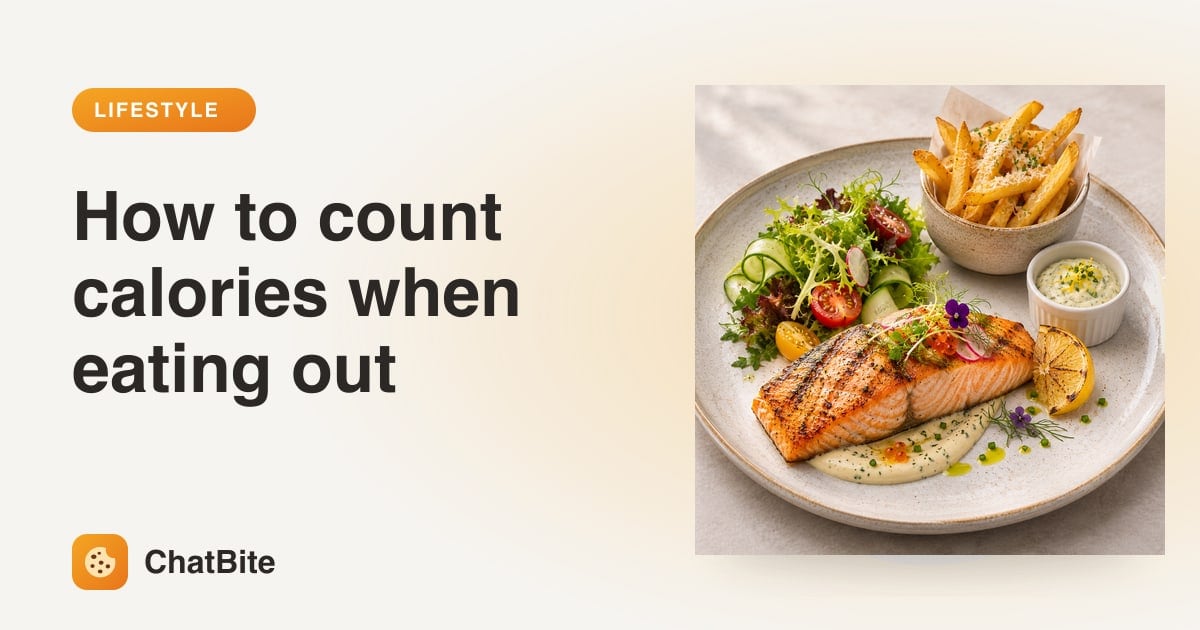
To count calories when eating out, check for a published calorie count first, then estimate the rest by breaking the meal into its parts (protein, starch, vegetables, sauce and oil) and adding a buffer, because restaurant food usually has more than it looks. Many restaurant mains land between 600 and 1,200 kcal before drinks and dessert. This guide shows how to estimate a meal in under a minute, where the hidden calories hide, and what to order across different cuisines.
How many calories are in a typical restaurant meal?
More than most people guess. A 2018 study in The BMJ measured popular meals from restaurants in Brazil, China, Finland, Ghana and India: 94% of full-service meals and 72% of fast-food meals contained at least 600 kcal, and that was the main dish alone, without drinks, starters or dessert. A US study of non-chain restaurants in three cities found meals averaged about 1,200 kcal.
For context, many adults need roughly 1,800 to 2,500 kcal for a whole day. One restaurant meal can easily be half of that, which is why eating out a few times a week can quietly cancel a deficit.
Step 1: Look for published calories
In the US, chains with 20 or more locations must show calories on menus. In England, larger restaurants, cafés and takeaways have had to show calories on menus since 2022. Many other chains publish nutrition information on their websites or delivery apps. When a number exists, use it as your starting point.
Treat it as an estimate, not a guarantee. Portions, oil and sauce vary from cook to cook, and research has found measured restaurant food often comes in above the stated number. If you're tracking for weight loss, rounding up is safer than rounding down.
Step 2: Estimate calories by breaking the meal into parts
When there's no label, don't try to guess the whole plate at once. Name each part and estimate it separately. These rough figures, based on USDA FoodData Central, cover most plates.
| Part of the meal | Typical restaurant portion | Calories (about) |
|---|---|---|
| Grilled chicken or fish | A palm-plus portion (150–200 g) | 250–350 kcal |
| Rice, pasta or noodles | A restaurant plate (1.5–2 cups cooked) | 300–450 kcal |
| Bread or naan | 1 piece | 150–300 kcal |
| Fries | Medium side | 350–400 kcal |
| Cooking oil or butter | Each tablespoon | 100–120 kcal |
| Creamy sauce or dressing | 2–3 tablespoons | 100–250 kcal |
| Vegetables, plain or steamed | A side | 30–80 kcal |
Example: a chicken pad thai. Chicken about 250 kcal, a large portion of noodles about 400, oil, peanuts and sauce around 250 to 350. That puts the plate at roughly 900 to 1,000 kcal, before any drink.
Where are the hidden calories when eating out?
- Oil and butter: restaurant kitchens use generously, and each tablespoon adds about 100 to 120 kcal. Curries, stir-fries, risottos and anything “pan-fried” usually carry several.
- Dressings and sauces: a creamy dressing can turn a 300 kcal salad into a 600 kcal one. Ask for it on the side.
- Drinks: alcohol has 7 kcal per gram, almost as much as fat. A large glass of wine or a pint of beer is typically around 200 to 250 kcal, and sugary sodas and shakes add up too.
- Bread, chips and starters: the basket on the table or a shared plate of nachos can add 300 kcal before your main arrives.
- Portion size: restaurant portions are often bigger than at home. Eating two-thirds and taking the rest home is a simple fix.
What to order: lighter choices from different cuisines
| Cuisine | Lighter choice | Watch out for |
|---|---|---|
| Italian | Grilled fish, minestrone, tomato-based pasta | Cream sauces, garlic bread, large pizzas |
| Mexican | Chicken or bean burrito bowl, fajitas with fewer tortillas | Cheese, sour cream, chips and queso |
| Japanese | Sashimi, miso soup, edamame, grilled teriyaki | Tempura and mayo-heavy rolls |
| Middle Eastern | Shish kebab, tabbouleh, hummus with salad | Lots of pitta and fries in the wrap |
| Indian | Tandoori chicken or tikka, dal, roti | Butter and cream curries, naan, biryani portions |
| Chinese and Thai | Steamed dishes, stir-fried greens, clear soups | Deep-fried dishes, fried rice, sweet sauces |
A simple rule works everywhere: build the order around a protein, add vegetables, choose one starch, and get rich sauces on the side.
How to log a restaurant meal in the moment
The best estimate is the one you actually record. If you wait until the evening, you'll forget the bread, the second drink and the shared dessert. Logging takes seconds if you do it at the table.
ChatBite is an AI calorie and protein coach that works inside WhatsApp and Telegram: you send a photo, a few words or a voice note, and it logs your meal and tracks your day. Snap the plate or type “chicken pad thai, large, plus a beer”, and you get a Logged card with calories, protein, carbs and fat. If something was different, just say so (“add the garlic bread we shared”) and the totals update. Forgot to log last night's dinner? Say “edit yesterday's dinner” and fix it the next morning.
How do you estimate calories in a restaurant meal?
Check for published calories first. If there are none, split the plate into protein, starch, vegetables and sauce or oil, estimate each part, and add them up. Round up rather than down, because restaurants use more oil and bigger portions than most home kitchens.
How many calories are in an average restaurant meal?
Studies have found most restaurant mains contain at least 600 kcal, and US non-chain restaurant meals averaged around 1,200 kcal. Drinks, starters and desserts come on top.
Are restaurant calorie counts accurate?
They're a good guide but not exact. Portions and cooking vary, and measured meals often come in higher than stated, so treat published numbers as a minimum.
Can I eat out and still lose weight?
Yes. Pick a protein-and-vegetable main, keep sauces and drinks in check, and log what you ate so the rest of the day can balance it out.
Should I skip meals before eating out?
It usually backfires, because arriving very hungry makes it harder to order and eat moderately. A light, protein-rich meal earlier in the day is a better plan.
Sources: The BMJ (Roberts et al., 2018, measured energy content of restaurant meals in five countries); Journal of the Academy of Nutrition and Dietetics (Urban et al., 2016); US Food and Drug Administration, menu labeling rules; UK Department of Health and Social Care, calorie labelling regulations; Mayo Clinic; USDA FoodData Central. If you have a medical condition, are pregnant or have a history of eating disorders, check with a doctor or registered dietitian before changing how you eat.
Values are typical estimates for home-style food and vary by recipe and portion. This is general information, not medical advice.
Put it into practice
Snap your next meal and ChatBite does the maths. Free for 7 days, no card needed.